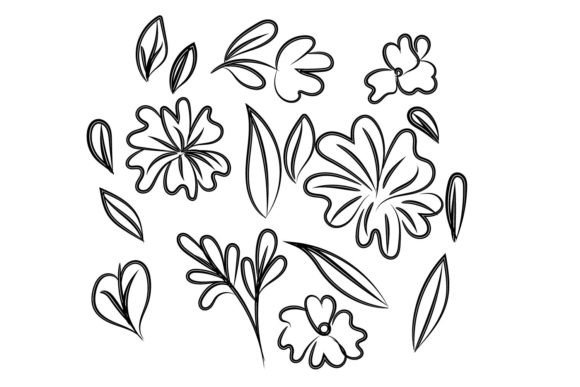
Floral Background Spring Design: A Designer's Real-World Review
As a designer who has spent years reviewing digital assets for real-world application, I rarely get excited about a file until I see how it translates from a screen to the fabric. Recently, I received the Floral Background Spring Design with the intention of testing its viability for a client project involving custom boutique merchandise. My goal was to determine if this piece could stand up to the rigors of commercial embroidery or if it was merely a decorative graphic that would look great in a mockup but fail under the needle.
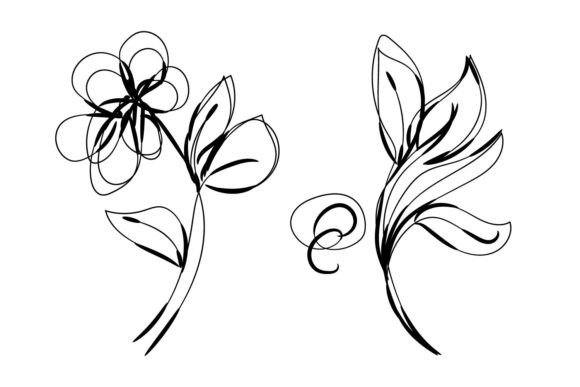
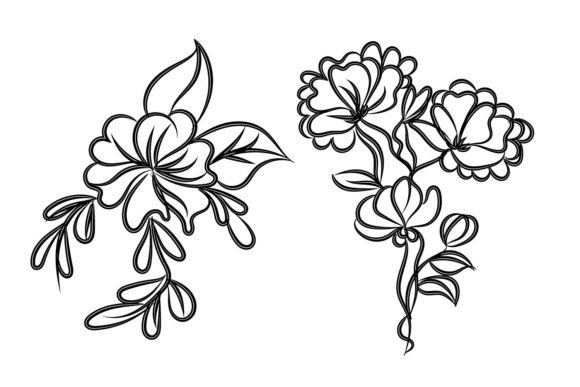
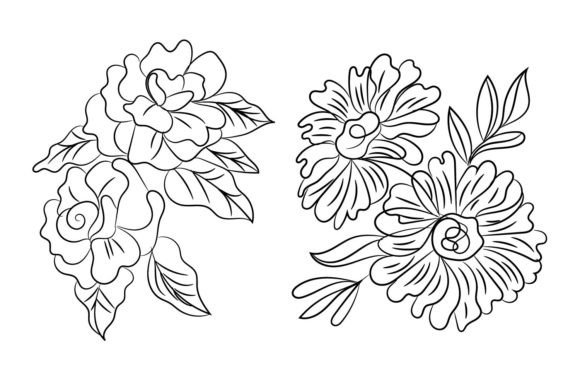
The first impression of Floral Background Spring Design is one of organic flow and seasonal warmth. Unlike rigid geometric patterns often found in mass-market graphics, this design feels alive. The floral arrangement suggests a natural growth pattern rather than a forced grid. For an embroidery designer, the layout is immediately recognizable as a background element that can either frame a central monogram or stand alone as a statement piece on larger items. It carries a mood that is fresh, inviting, and distinctly spring-like without being overly kitschy.
When I opened the package, the inclusion of multiple formats—AI, EPS, PNG, SVG, and PDF—was a relief. This versatility allows for immediate adaptation across different workflows. Whether you are working directly with vector software like Adobe Illustrator or preparing raster files for print-on-demand services, having these options ensures that Floral Background Spring Design fits into your existing ecosystem. However, the true test lies not in the file types, but in how the design behaves when converted into stitches.
From Digital File to Finished Product
I decided to put Floral Background Spring Design through a practical trial by creating a custom embroidered tote bag for a local craft fair booth. The objective was to create a high-quality handmade product that would appeal to shoppers looking for unique accessories. Tote bags require designs that hold their shape well and offer sufficient contrast against the canvas material.
Upon loading the design into my digitizing software, I noticed the balance between open space and filled areas. The design utilizes a mix of satin stitch for outlines and definition, while the background elements rely heavily on fill stitch to create texture. This combination is crucial for a background design, as it prevents the embroidery from looking flat. When stitched onto the canvas, the fill areas provided a lush, textured feel that mimicked the softness of petals and leaves, adding significant visual weight to the bag without making it stiff.
The result was impressive. The Floral Background Spring Design transformed a plain tote into a premium-looking item. Customers at the craft fair immediately gravitated toward it, noting that the embroidery looked "expensive" compared to standard screen-printed designs. This highlights a key advantage of using high-quality embroidery files: they elevate the perceived value of small shop products. When buyers touch the finished product, the tactile difference speaks volumes about quality, building trust and encouraging repeat business.
Where This Design Shines in Your Business
Beyond the tote bag, there are numerous scenarios where Floral Background Spring Design can serve as a versatile asset for craft business owners and Etsy sellers. Its nature as a background element makes it perfect for layering over text or other focal points.
Consider a line of custom apparel such as sweatshirts or t-shirts. Placing this design across the back of a hoodie creates a stunning, large-scale statement piece. Alternatively, using it as a subtle border on the hem of a dress or the cuff of a sleeve adds a touch of elegance. For those focusing on personalized gifts, this design works beautifully on baby clothes, nursery decor, or pillow covers. The floral theme resonates strongly with parents looking for soft, comforting aesthetics for baby embroidery projects.
In the realm of home goods, the design finds a natural home on kitchen towels, aprons, and blankets. Imagine a set of matching tea towels featuring this design; it would create a cohesive brand identity for a boutique selling handmade linens. Furthermore, for commercial embroidery projects, the design can be adapted for corporate gifts or event swag. The spring theme is particularly timely for holiday embroidery campaigns leading up to Easter or Mother's Day, offering a ready-made solution for seasonal inventory.
The ability to generate printable mockups using the included PNG and SVG files also streamlines the marketing process. You can quickly visualize how the design looks on various fabrics before committing to production, saving time and reducing waste. This efficiency is vital for creative entrepreneurs who need to manage their workflow effectively while maintaining high standards.
Practical Considerations and Limitations
While Floral Background Spring Design is a strong candidate for many projects, it is not a universal solution. As an experienced reviewer, I must point out specific areas where caution is required. The design's intricate details and potential density mean that it may not perform well in small hoop sizes. Attempting to stitch a complex background design on a tiny cap or a narrow patch can lead to thread breaks or loss of detail, resulting in a muddy appearance.
Fabric choice is equally critical. On thin or stretchy fabrics, the tension required for a robust fill stitch can cause puckering or distortion. If you are working with dark fabrics, you must carefully select thread colors to ensure adequate contrast; otherwise, the delicate lines of the flowers may disappear into the background. Additionally, textured fabrics like bouclé or heavy fleece can hide the finer details of the running stitch or satin edges, diminishing the overall clarity of the finished product.
For embroidered patches, the design might be too dense unless digitized specifically for that application. Patches require a different approach to stability and edge finishing. Similarly, on curved surfaces like caps, the perspective distortion can alter the intended shape of the floral elements. It is essential to test the design on a curved surface before scaling up production.
Essential Steps Before You Stitch
To ensure success with Floral Background Spring Design, I recommend following a rigorous testing protocol. Always start by stitching the design on scrap fabric that matches your final material. This step allows you to check the stitch density and observe how the threads interact with the fabric grain. Pay close attention to the corners and any detailed accents; these areas are prone to thread bunching if the stabilizer is insufficient.
Selecting the right stabilizer is non-negotiable. For a design with extensive fill areas, a cut-away stabilizer is often necessary to provide long-term support, especially for items that will undergo frequent washing. Without proper stabilization, even the best machine embroidery design can sag or warp over time.
Thread color selection plays a pivotal role in the visual appeal. I suggest creating black-and-white mockups to evaluate the contrast levels before choosing your palette. This helps ensure that the design remains legible regardless of the color scheme. Furthermore, review the file compatibility with your machine. While the package includes AI, EPS, PNG, SVG, and PDF files, you must verify that your embroidery machine can interpret these formats correctly. If you plan to use the design for commercial embroidery or sell finished items, confirm the licensing terms to avoid legal issues.
Ultimately, Floral Background Spring Design offers a compelling blend of aesthetic charm and practical utility. It is a design that respects the art of embroidery while providing enough flexibility for diverse applications. Whether you are a seasoned pro or a hobbyist looking to upgrade your design assets, this file has the potential to enhance your portfolio and delight your customers. By approaching it with care and understanding its limitations, you can transform a simple digital file into a cherished handmade product that stands out in a crowded market.