Floral Books: A Designer's Real-World Embroidery Review
When I first opened the Floral Books collection, I didn't just see a pretty image; I saw a potential bestseller for my next craft fair booth. As someone who spends hours evaluating machine embroidery design files before committing them to fabric, I look for more than just aesthetics. I need to know if a design will hold up on a stretchy sweatshirt, if the details will vanish in a tiny hoop, and if it adds enough perceived value to justify a higher price point for an Etsy seller. This review is not a marketing blurb but a practical breakdown of how Floral Books performs when taken out of the digital realm and stitched into real life.
The Mood and Visual Personality
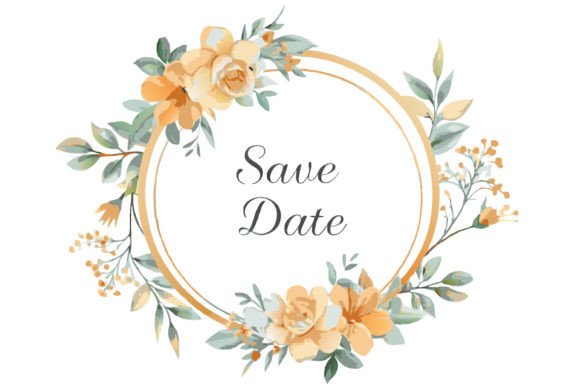
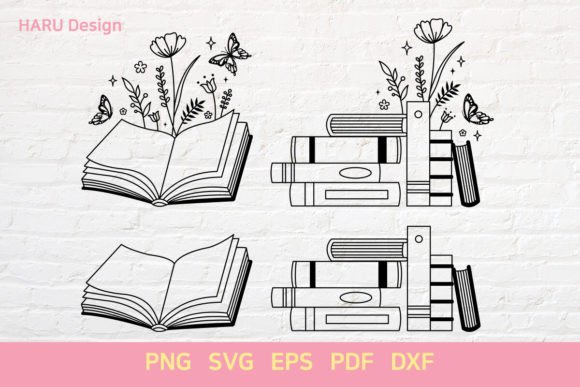
The name says it all, but the execution defines the product. Floral Books creates an immediate sense of cozy nostalgia. It blends the intellectual charm of literature with the organic softness of nature. The layout feels balanced, avoiding the clutter that often plagues busy graphics intended for embroidery. When you look at the artboard size provided, which is set at 12in×12in, you get a clear sense of scale. It is substantial enough to make a statement on a large tote bag but detailed enough to serve as a focal point on a smaller item like a baby onesie or a kitchen towel.
The visual personality here is warm and inviting. It doesn't scream for attention like a neon graphic; instead, it whispers quality. For a small business owner, this distinction matters. Customers buying handmade goods are often looking for a story. A design featuring books and flowers suggests a love for reading, quiet afternoons, and thoughtful gifting. This makes Floral Books an ideal candidate for personalized gifts, nursery decor, or boutique branding where the brand identity relies on warmth and approachability.
Real-Life Application: From Screen to Stitch
I recently put Floral Books to the test by planning a custom embroidered tote bag project for a local author event. The goal was to create a unique accessory that authors could use during book signings. Here is how the design held up during the planning phase.
First, the file formats were crucial. Having access to 4 SVG, 4 EPS, 4 PNG, 4 PDF, and 4 DXF files meant I could easily adapt the design for different needs. I used the DXF file to import directly into my embroidery software, which is standard practice for most modern machines. The vector paths were clean, allowing me to adjust the stitch density without losing the integrity of the floral lines. If I had received only a raster image, I would have struggled to define the satin stitch areas properly.
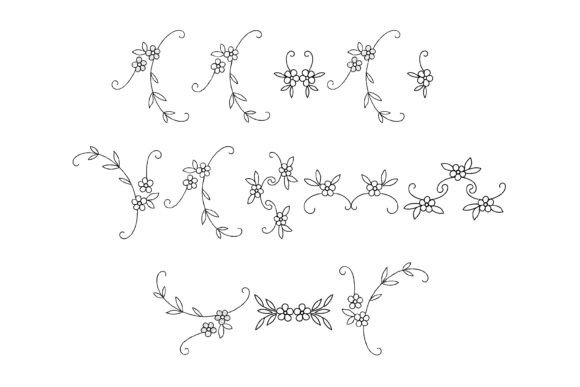
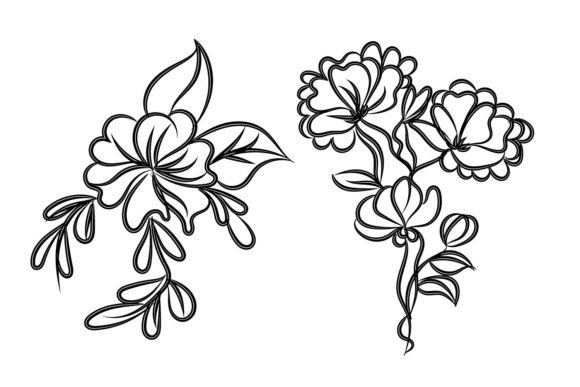
In terms of actual stitching, the design translates well to satin stitch for the outlines and fill stitch for the book covers. However, the placement of the flowers requires careful thought. On a canvas tote bag, the texture of the fabric can sometimes swallow fine details. Because Floral Books has distinct shapes rather than overly intricate lace-like patterns, it remained crisp even on a medium-weight cotton canvas. The result was a finished product that looked professional and justified a premium price tag in my shop.
Where to Use (and Where to Hesitate)
While Floral Books is versatile, no single design fits every scenario perfectly. As an experienced designer, I advise caution in specific situations. If you are working with a very small hoop size, such as those found on portable travel machines, you might find the 12-inch artboard concept challenging to downscale without losing the character of the flowers. In such cases, cropping the design too aggressively can ruin the composition.
Textured fabrics present another hurdle. If you attempt to embroider this on a heavy bouclé wool or a rough burlap, the needle might struggle to penetrate the material cleanly, leading to puckering. Similarly, thin or highly stretchy fabrics like jersey require a robust stabilizer strategy. Without proper backing, the tension from the running stitch and fill stitches could distort the fabric, making the book cover look warped.
Dark fabrics also demand a strategic approach. While the design itself is neutral, the contrast against black or navy fabric can be lost if you do not choose high-contrast thread colors. I recommend testing the design on scrap fabric first to ensure the thread colors pop. Furthermore, avoid using this design for items that require frequent, harsh washing, such as work aprons for industrial settings, unless you reinforce the edges heavily. For delicate items like pillow covers or holiday gift tags, however, it is a perfect match.
Impact on Brand and Customer Trust
In the world of handmade products, the quality of the embroidery speaks volumes about the maker. A sloppy digitization job can destroy customer trust instantly. Floral Books, when executed correctly, elevates the perceived value of the item. Imagine a mother receiving a personalized baby blanket with this design; the clarity of the books and flowers signals care and attention to detail.
For commercial embroidery projects, consistency is key. Using a cohesive design like this across a range of products—tote bags, sweatshirts, and patches—helps build a recognizable brand identity. It allows a creative entrepreneur to create a "collection" feel without needing to design new assets for every single SKU. The versatility of the file types ensures that whether you are creating a printable mockup for social media or preparing the final embroidery file for production, you have the right tool for the job.
Practical Notes for the Maker
Before you start your next embroidery project with Floral Books, keep these essential tips in mind to ensure success:
- Test First: Always run a test stitch on a scrap piece of the same fabric you plan to use. This helps you gauge the stitch density and check for any potential puckering.
- Stabilizer Selection: Ensure you are using the correct type of stabilizer. For woven fabrics like linen or cotton, a cut-away stabilizer is usually best for durability. For knits, a tear-away might suffice depending on the weight.
- Color Contrast: Review your design in black and white mockups to verify that the light and dark elements of the floral and book motifs stand out clearly against your chosen background.
- Hoop Size Check: Confirm that your machine's hoop size can accommodate the design dimensions comfortably. While the artboard is 12in×12in, you may need to resize the design slightly to fit specific garment placements.
- Licensing Verification: Before selling finished items or distributing the digital files, double-check the license terms included with the purchase. Some designs allow commercial use while others are restricted to personal projects only.
The inclusion of multiple formats like SVG, EPS, and DXF provides flexibility that many designers crave. It means you aren't locked into one workflow. You can use the PNG for quick previews, the DXF for machine input, and the EPS for vector adjustments in Adobe Illustrator. This level of preparation saves time and reduces frustration.
Final Verdict
Floral Books is more than just a decorative asset; it is a functional tool for building a cohesive brand. Whether you are crafting a heartfelt personalized gift for a friend or stocking your online store with custom apparel, this design offers the balance of detail and readability that customers expect. It works beautifully for holiday embroidery projects, adding a touch of seasonal warmth to stockings and ornaments.
If you are looking for a design that bridges the gap between artistic expression and commercial viability, Floral Books is a strong contender. Just remember that the magic happens in the execution. With the right fabric, proper stabilization, and a keen eye for thread color, this design can transform a simple piece of cloth into a cherished keepsake. For any craft business aiming for professionalism and quality, this is a file worth keeping in your library.