Classic Floral Header: Wedding Design Review
I have spent years stitching, designing, and reviewing embroidery files for everything from boutique apparel to high-end wedding decor. When I first opened the Classic Floral Header. Wedding Design Ro, my immediate thought wasn't about the file formats or the pixel count; it was about where this design would live on a finished product. In a market saturated with generic clipart, finding a floral header that feels both timeless and technically viable for real-world stitching is rare. This review breaks down exactly how this piece performs when moved from a screen to the hoop.
The First Impression: Mood and Visual Personality
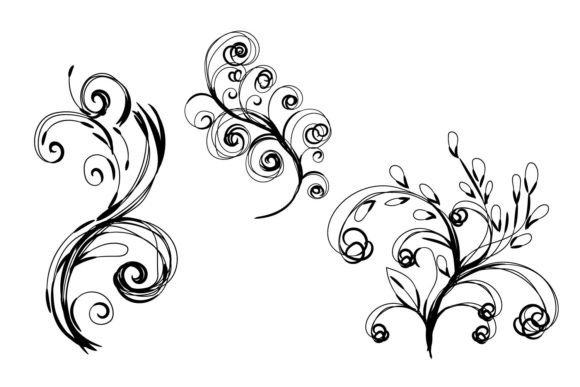
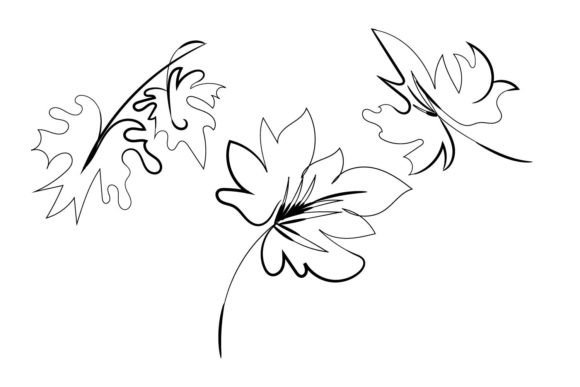
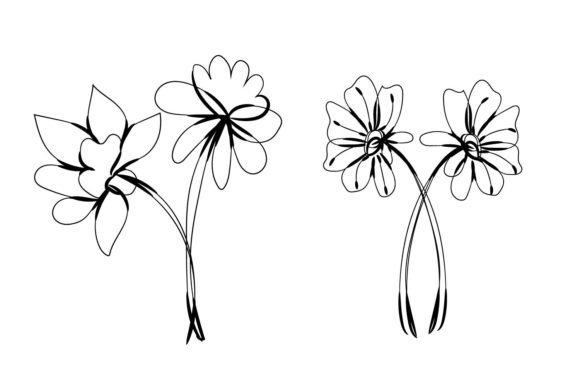
The moment you load the Classic Floral Header. Wedding Design Ro into your digitizing software, the layout speaks clearly. It is not a chaotic burst of petals but a structured, elegant header. The isolated rose element creates a focal point that naturally draws the eye, while the surrounding foliage suggests movement without overwhelming the viewer. For an embroidery designer, the "header" aspect is crucial; it implies a top-down flow that works beautifully for garments, home goods, and signage.
The mood is undeniably romantic yet professional. It avoids the overly fussy look of some vintage designs by keeping the lines clean and the negative space balanced. This is a design that whispers "quality" rather than shouting it. When I imagine this stitched onto a white cotton tote bag, it instantly elevates the item from a simple carry-all to a curated boutique product. The visual personality fits perfectly within the Crafts and Graphics categories, serving as a bridge between digital assets and tangible handmade products.
Real-World Application: A Case Study in Custom Apparel
Let's talk about a specific scenario. Imagine you are an Etsy seller preparing a collection of personalized bridal party gifts. You need a design that looks sophisticated on a silk pillowcase but also holds up well on a heavier canvas tote. You decide to test the Classic Floral Header. Wedding Design Ro.
On the pillowcase, the design acts as a perfect border accent. The floral elements frame the monogrammed initials without competing for attention. The stitch density appears manageable, suggesting that the satin stitches will lay flat without puckering the delicate fabric. However, the real test comes with the tote bag. Here, the design serves as a brand mark at the top center. Because the layout is horizontal and contained, it prevents the common issue of embroidery extending too far over the seam line. Customers receiving these bags would likely perceive them as premium items, trusting the quality of the work immediately because the design feels intentional and well-placed.
This versatility extends beyond weddings. I can easily see this same file being used for baby shower favors, where the soft floral theme appeals to new parents, or for holiday kitchen towels where a classic aesthetic fits the seasonal decor. The design's ability to transition from a luxury gift to a practical household item is its strongest asset.
Technical Performance on Different Fabrics
As a reviewer who has seen many designs fail due to poor execution on specific materials, I had to analyze how this embroidery file interacts with various textiles. The Classic Floral Header. Wedding Design Ro relies heavily on clear definition, which means fabric texture plays a massive role in the final outcome.
For stable fabrics like denim, canvas, and tight-weave cotton, this design shines. The stitch density seems calibrated to provide good coverage without requiring excessive layers of thread. On a sweatshirt, the fill stitches would create a plush, textured look that adds value to the garment. Similarly, on a cap or hat, the curved nature of the header aligns well with the crown's shape, provided the hoop size is appropriate for the curvature.
However, caution is required with stretchy knits or very thin linens. If the stabilizer choice is incorrect, the tension of the satin stitch could cause the fabric to pucker around the rose element. The design includes detailed corners and flowing stems; if the fabric shifts during stitching, those fine details might blur. Therefore, using a high-quality cut-away stabilizer is non-negotiable for this project type to ensure the finished product retains its crisp edges.
Where to Use Carefully: Limitations and Risks
No design is perfect for every situation, and knowing where to hold back is just as important as knowing where to push forward. There are specific scenarios where the Classic Floral Header. Wedding Design Ro might struggle.
First, avoid small hoop sizes. The header layout requires width. Attempting to compress this design into a 4x4 inch hoop will result in crowded details where the individual petals of the rose lose their definition. Second, be wary of dark fabrics unless you plan to use a significant amount of underlay or cover stitch. While the design is available as a transparent PNG, the physical stitching needs contrast to pop. On a black apron, the lighter threads might get lost without careful color selection.
Additionally, do not use this design for items that require frequent, harsh washing, such as daily-use work shirts, unless the thread quality is commercial grade. The intricate details of the floral header are best suited for items that are cherished rather than abused. Finally, if you are working on a curved surface like a baseball cap, ensure the design is properly curved in your software; a straight header will look distorted once stitched onto the dome.
Impact on Brand Value and Customer Trust
In the world of craft business and Etsy selling, the difference between a hobbyist project and a professional product often lies in the design choice. The Classic Floral Header. Wedding Design Ro carries a sense of authority. When a customer sees this level of detail and composition on a custom apparel item, they assume the maker took care in every step of the process.
This design enhances the perceived value of your handmade product. It allows you to charge a premium because the visual appeal translates directly to perceived quality. Whether you are creating a personalized gift for a client or a batch of small shop products for a craft fair, the consistency of this design helps build brand recognition. Buyers remember the aesthetic, and a cohesive look across different items—like matching a tote bag with a tea towel—reinforces your professionalism.
Practical Notes for the Embroidery Designer
Before you commit this file to production, there are several steps I recommend taking to ensure success. First, always test the design on scrap fabric that matches your intended project material. This reveals any issues with thread tension or stabilizer requirements before you ruin a customer's item.
Review the stitch density closely. Look at the areas where the rose petals meet the leaves; these transitions should be smooth. If the file uses too much running stitch in areas meant for structure, the design may look weak. Check the hoop size compatibility to ensure the entire header fits within your machine's capabilities without needing to re-hoop, which can misalign the image.
Inspect the small details, especially the tips of the leaves and the center of the flower. These are the first things customers notice. If you are unsure about the licensing terms for commercial use, verify them before listing any digital embroidery file or finished goods for sale. Finally, compare the design in both light and dark fabric mockups. Seeing the contrast levels beforehand saves time and frustration during the actual stitching phase.
The Classic Floral Header. Wedding Design Ro is more than just a pretty picture; it is a functional tool for designers who want to deliver excellence. With the right preparation and understanding of its limitations, it can become a staple in your library of design assets, helping you create stunning embroidery projects that stand out in a crowded marketplace.