Wedding Floral Flower Design: A Designer's Real-World Review
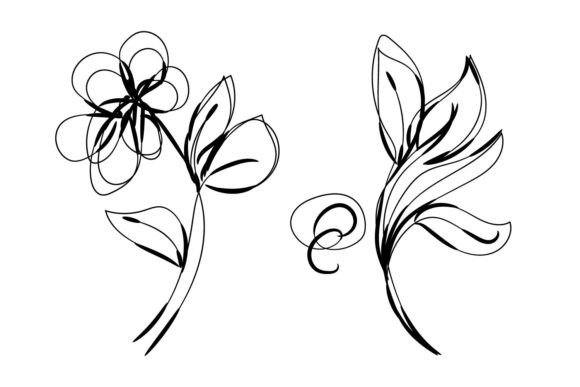
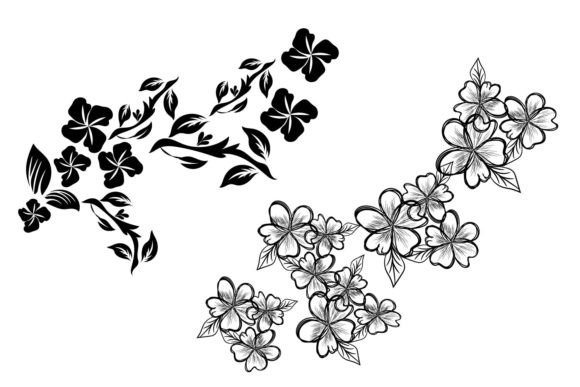
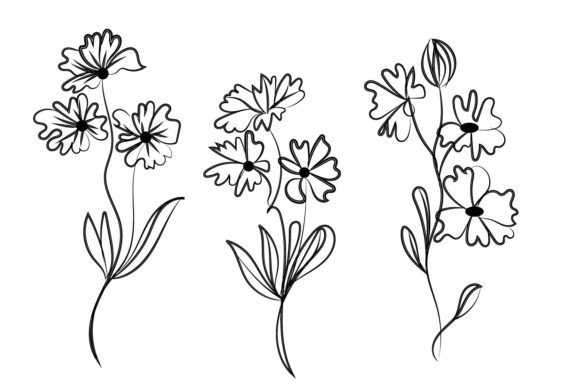
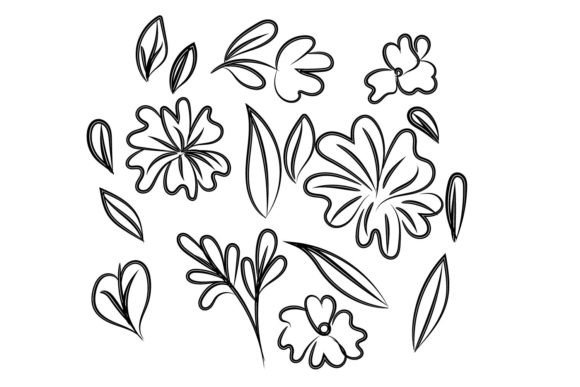
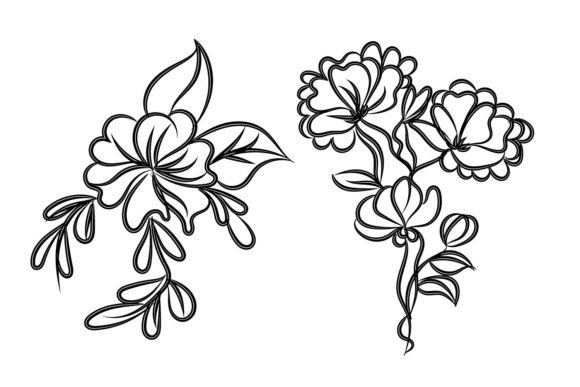
When I first opened the folder for Wedding Floral Flower Design, my initial reaction wasn't about the file formats or the compression. It was about the mood. As a designer who spends hours evaluating digital assets for real-world application, I look for that specific spark where a graphic stops being just an image and starts feeling like a finished piece of art waiting to be stitched. This design delivers exactly that. It carries a soft, romantic weight that feels perfectly suited for high-stakes occasions like weddings, yet it possesses enough versatility to anchor a boutique collection.
The layout strikes a balance between intricate detail and breathable negative space. In embroidery, less is often more, but this design knows when to let the stitches breathe. The floral elements flow in a way that suggests movement rather than static arrangement. For a professional looking to create a handmade product that stands out on Etsy or at a craft fair, this visual personality is gold. It doesn't scream "mass-produced"; instead, it whispers "customized with care."
Bringing the Design to Life: A Real Project Scenario
To truly understand how Wedding Floral Flower Design performs, I put myself in the shoes of a small business owner preparing for a busy season. Imagine you are creating a line of personalized gifts for a local wedding vendor market. You need something that looks elegant on a tea towel but equally stunning on a canvas tote bag. You pull up the files included in this package—the AI, EPS, SVG, PNG, and PDF—and start testing.
I decided to test the design on a custom embroidered tote bag made from heavy cotton canvas. The moment I loaded the embroidery file into my machine, the stitch distribution became clear. The Wedding Floral Flower Design handles well on structured fabrics. Because the floral motifs have distinct centers and flowing petals, the machine executed the satin stitch sections with a smooth sheen that catches the light beautifully. When finished, the design didn't pucker the canvas; it sat flush against the material, enhancing the texture rather than fighting it.
Next, I moved to a softer project: a baby onesie for a bridal shower gift. Here, the stakes are higher because the fabric is thin and stretchy. The design's density is moderate enough that it won't overwhelm delicate knits, provided you use the right stabilizer. The result was a personalized gift that felt luxurious. Guests didn't just see a flower; they saw a curated aesthetic that elevated the entire garment. This is the kind of finished product that gets shared on social media, driving organic traffic back to your shop.
Where This Design Shines in Commercial Applications
If you are an Etsy seller or a small shop product creator, knowing where to apply a design is half the battle. Wedding Floral Flower Design is not limited to just one category. Its design assets are versatile enough to span multiple niches within the Crafts and Graphics sectors.
- Apparel Decor: Whether you are doing sweatshirt embroidery for a cozy winter collection or adding a subtle accent to a t-shirt, the floral theme works universally. It adds a touch of femininity without being overpowering.
- Home Goods: This is where the design truly sings. On a pillow cover or a kitchen towel, the Wedding Floral Flower Design transforms a utilitarian item into a decorative statement. The contrast between the thread colors and the fabric background creates depth that flat prints simply cannot achieve.
- Accessories: For those making embroidered patches or decorating caps, the circular or oval flow of the flowers allows for easy placement on curved surfaces. It frames the wearer perfectly.
- Holiday and Event Gifts: Beyond weddings, this design fits seamlessly into holiday embroidery projects. Think of it as a year-round asset for any event centered around celebration and beauty.
The inclusion of various file formats means you can prepare printable mockups for clients before they even commit to buying. Showing a potential buyer how the digital embroidery file will look on their specific fabric choice builds trust and reduces returns. It turns a simple transaction into a collaborative design experience.
Practical Constraints and Where to Be Cautious
However, no design is perfect for every scenario, and as an experienced reviewer, I must highlight where Wedding Floral Flower Design requires careful handling. While it excels on stable fabrics, there are limitations you must respect to ensure a professional outcome.
First, consider the hoop size. If you are working with a very small hoop, such as those used for cufflinks or tiny hat patches, you may find some of the finer details getting lost. The running stitch elements might merge if the scale is too small. Always test the design at its intended size before committing to a full production run.
Fabric texture plays a massive role here. On highly textured fabrics like bouclé or thick chenille, the definition of the petals can get swallowed by the pile of the material. Similarly, on stretchy jersey knits, the stitch density needs to be managed carefully. Without adequate stabilizer, the tension could cause the design to distort, ruining the visual appeal of the final piece.
Dark fabrics present another challenge. While the design likely includes color options, the contrast ratio is critical. If the thread colors chosen are too similar to the dark fabric, the embroidery project will lack impact. You need to ensure the thread colors selected pop against the background to maintain the professionalism of the brand.
Technical Notes for the Serious Designer
Before you hit the "start" button on your machine, there are a few non-negotiable steps to guarantee success. First, always test on scrap fabric. It is the only way to verify how the fill stitch behaves on your specific material. Check the stitch density visually; if the underlay is too heavy, it can create a stiff spot that feels cheap to the touch.
Review the file compatibility. The package mentions AI, EPS, SVG, PNG, and PDF files. Ensure your machine software can interpret these correctly. Some older machines struggle with complex vector paths converted directly from Illustrator. If you encounter issues, converting to a native embroidery format (like .PES or .DST) via your digitizing software is essential. Also, confirm whether the license allows for commercial embroidery. Many designers sell finished items using purchased designs, but the terms vary wildly.
Inspect the small details. Zoom in on the corners of the floral elements. Are they clean? Do they require excessive trimming? Trimming time is money in a craft business. If the design has loose ends that require significant cleanup, factor that into your pricing model.
Final Thoughts on Value and Versatility
In the end, Wedding Floral Flower Design proves itself as a robust tool for the creative entrepreneur. It isn't just a pretty picture; it is a functional component of a business strategy. It elevates the perceived value of your products, making customers willing to pay a premium for the craftsmanship involved.
Whether you are designing a tote bag design for a bride-to-be or creating a batch of baby embroidery items for a new mom, this design offers the reliability and aesthetic quality needed to build a loyal customer base. It respects the medium of embroidery while pushing the boundaries of what a digital asset can achieve in the physical world. For anyone serious about custom apparel or giftability, this is a smart investment that pays dividends in customer satisfaction and brand consistency.