Flower Graphic Design SVG: A Designer's Real-World Review
As someone who has spent years turning digital concepts into tangible, stitched realities, I approach every new asset with a mix of excitement and skepticism. When I first encountered the Flower Graphic Design SVG, I wasn't just looking at a pretty image; I was evaluating its potential to become a profitable, high-quality finished product for my own clients or for resale in my shop. In the world of crafts and graphics, there is a massive difference between a file that looks good on a screen and one that translates beautifully onto fabric. This review breaks down exactly how this design performs when it moves from your computer to the embroidery hoop.
First Impressions: The Mood and Visual Personality
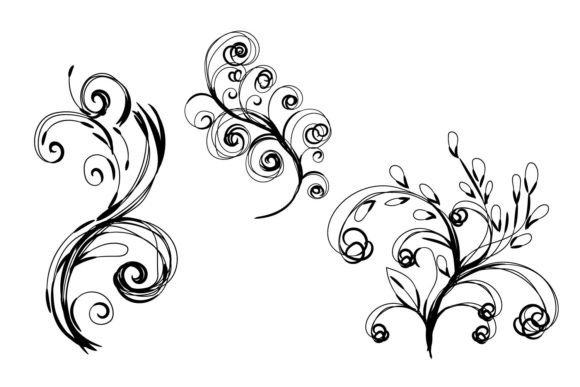
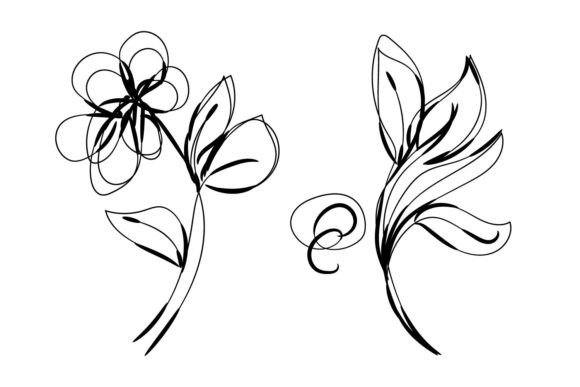
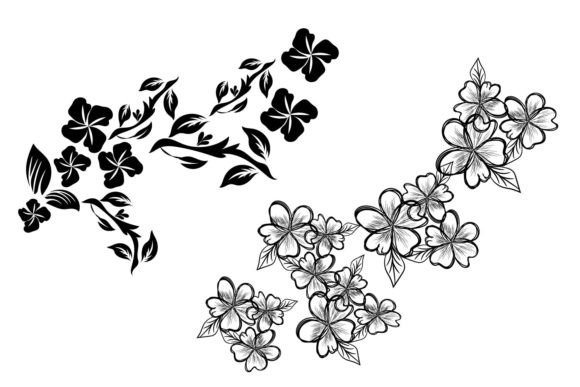
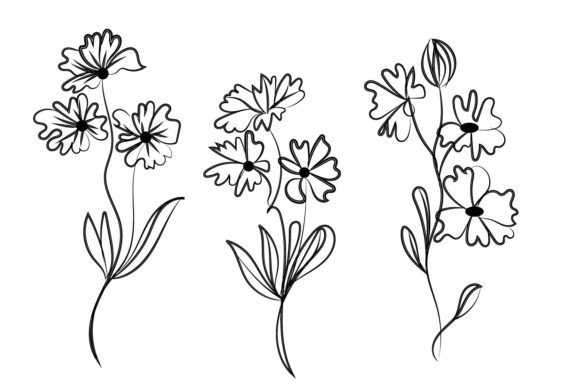
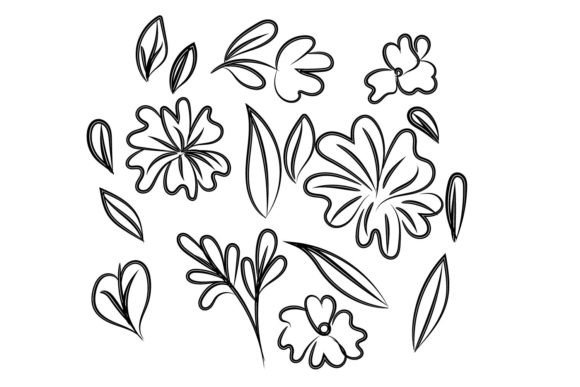
The initial look of a Flower Graphic Design SVG sets the stage for everything that follows. Unlike rigid corporate logos, floral designs carry an inherent emotional weight. They suggest warmth, growth, and personal care. When I opened this specific file, the lines felt fluid rather than stiff. The layout appears balanced enough to work as a standalone focal point without overwhelming the garment or accessory it will adorn. It possesses a versatility that is rare in niche digital assets; it feels equally at home on a rustic linen tea towel as it does on a modern cotton tote bag.
The visual personality here is inviting. It avoids the overly complex, hyper-realistic style that often fails in machine embroidery because the needle simply cannot replicate fine gradients. Instead, it relies on strong shapes and clear outlines. For a designer, this is crucial. It signals that the creator understands the limitations and strengths of stitching. The design invites creativity, allowing you to interpret the color palette while maintaining the structural integrity of the flower itself. It creates a mood of handmade elegance, which is exactly what customers are searching for when they buy personalized gifts or boutique items.
Real-Life Application: From Screen to Stitch
I recently put this design through its paces by planning a custom order for a local boutique owner. She needed a series of embroidered patches for her line of aprons and kitchen towels. The goal was to create something that felt artisanal but could be produced efficiently. We selected the Flower Graphic Design SVG as the centerpiece for this collection. The transition from vector to stitch was surprisingly smooth, provided we adjusted the digitizing parameters correctly.
On the apron, the design served as a perfect branding element. Because the floral motif is centered and organic, it drew the eye immediately without clashing with the texture of the heavy-duty canvas. However, the true test came when we considered using it on softer materials, like baby onesies or sweatshirts. The flow of the petals suggested a satin stitch finish that would catch the light nicely, adding a touch of luxury to a casual garment. If I were selling these as part of a holiday gift set, the design would stand out against dark backgrounds, creating a striking contrast that feels festive and thoughtful.
For Etsy sellers and small business owners, this is where the value proposition becomes clear. A well-executed embroidery project using this design can elevate a standard tote bag into a premium accessory. Customers are willing to pay more for items that show attention to detail. When the stitches lay flat and the colors pop, it builds trust in your brand. It tells the buyer that you care about quality, not just speed. Whether you are creating custom apparel for a sports team, personalized gifts for weddings, or decorative accents for nursery decor, this design offers a solid foundation for professional results.
Navigating Challenges: Where Caution is Key
While the design is versatile, no single file is a magic bullet for every scenario. There are specific situations where a Flower Graphic Design SVG requires careful consideration to avoid disappointing outcomes. One major area to watch is small hoop sizes. If you attempt to shrink the design too much for a tiny cap or a miniature patch, the delicate details of the flower may disappear or merge together during stitching. Always check the minimum size recommendations before committing to a small product.
Fabric choice is another critical factor. Textured fabrics, such as chunky knits or rough burlap, can distort the clean lines of the graphic. Similarly, stretchy fabrics like jersey require a stabilizer that matches the stretch of the material, or the flower may pucker and warp after washing. Dark fabrics present their own challenge; if the design lacks sufficient density or underlay, the background color might bleed through the lighter thread colors, muting the vibrancy of the flowers. In these cases, testing on scrap fabric is non-negotiable.
Dense stitch areas can also be problematic if the design is intended for frequent washing. Overly dense fill stitches can make the fabric feel stiff and uncomfortable, particularly on baby clothes or items worn close to the skin. If the design includes tiny lettering or intricate corners, ensure that the resolution is high enough to prevent thread breaks or skipped stitches. Curved surfaces, like baseball caps, add another layer of complexity. While the floral shape is generally forgiving, the curvature can alter the perceived proportions of the petals if the design isn't properly adjusted for the curve of the hat.
Designer Notes for Professional Results
To get the most out of this asset, experienced designers should follow a few practical steps before running a full production batch. First, always run a test on scrap fabric using the same thread colors and stabilizer you plan to use for the final product. This helps you verify the stitch density and ensures that the design holds up to the tension of the machine. Check the thread color contrast carefully; a design that looks great in black and white mockups might lose definition if the thread colors are too similar to the fabric.
Review the stitch types within the file. If it utilizes a mix of satin stitch for borders and fill stitch for the petals, ensure your machine settings can handle the transitions smoothly. Sometimes, converting a portion of the design to running stitch can reduce bulk and improve the drape of the finished product, especially on lightweight fabrics. Inspect the small details closely; if the flower centers are too tight, consider simplifying them slightly to prevent thread jams.
For those selling digital products or finished goods, confirm the licensing terms explicitly. Some files are restricted to personal use only, while others allow commercial sales of the finished item. Understanding these distinctions protects your business from legal issues. Additionally, compare the design on both light and dark backgrounds to ensure it remains visible and appealing in various contexts. If you are creating printable mockups for your online store, use high-resolution versions of the design to showcase the potential of the embroidery clearly.
Final Thoughts on Value and Versatility
In conclusion, the Flower Graphic Design SVG stands out as a reliable tool for designers, crafters, and entrepreneurs alike. It strikes a balance between artistic expression and technical feasibility, making it suitable for a wide range of projects from custom apparel to holiday embroidery. Its ability to adapt to different fabrics and products makes it a valuable addition to any library of design assets.
However, success lies in the execution. By understanding the nuances of fabric texture, hoop size, and stabilizer selection, you can transform this digital file into a stunning finished product that delights customers and strengthens your brand. Whether you are a hobbyist looking to create a unique gift or a seasoned Etsy seller expanding your catalog, this design offers a solid starting point for your next creative endeavor. Just remember to test, adjust, and always prioritize the quality of the stitch over the speed of production.